
How do you get bed bugs? The thing is, nobody expects them, all the more so if you work hard to keep your home clean and tidy. Despite our best efforts though, they can turn up regardless of how clean your house is or how careful you think you have been, and by the time you notice, they have usually settled in for a while.
We tend to see a spike in calls about bed bugs across Glasgow and East Kilbride around this time of year. Folk coming back from holidays, students moving into flats for the new term, the odd second-hand sofa picked up over summer that turns out to be less of a bargain than it looked. Once you know how bed bugs actually get about, they are a lot easier to avoid — and if you do end up with them, a lot easier to catch early.
What Bed Bugs Actually Are
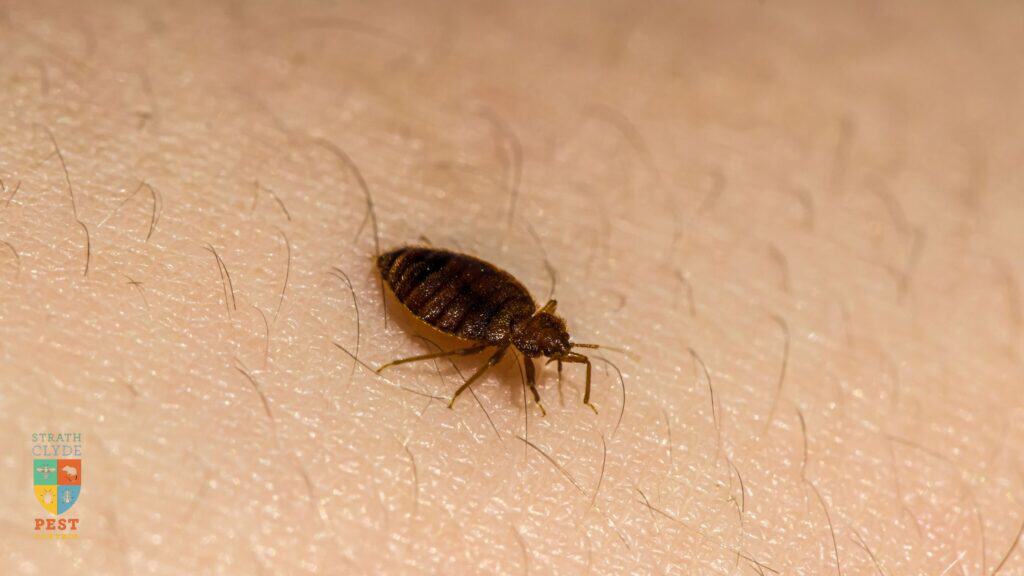
They are small, flat and reddish-brown, roughly the size of an apple seed by the time they are fully grown adult bed bugs — visible enough without a magnifying glass, but good at hiding and mostly active after dark, which is a big part of why people miss them. Carbon dioxide and warmth are what draw them in, which is exactly what a sleeping person in a bed provides.
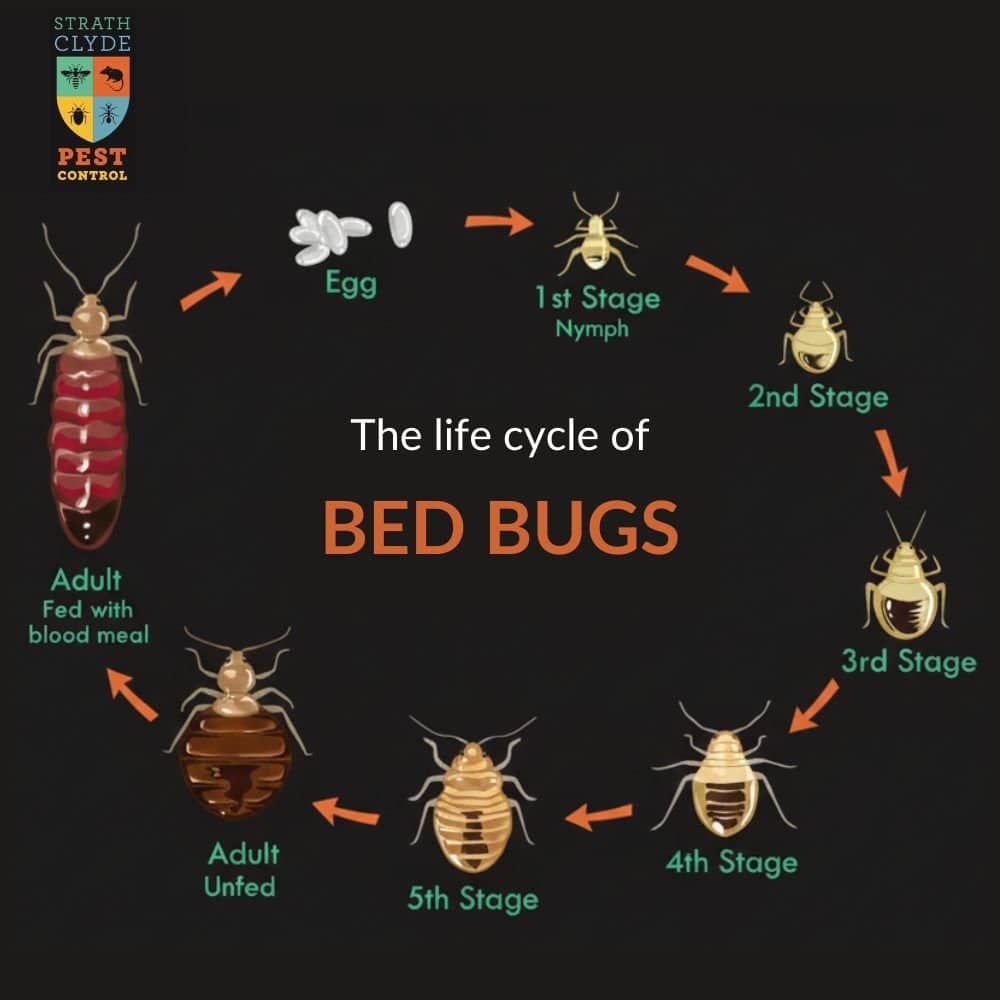
The life cycle is egg, nymph, adult — and a blood meal is needed at each stage before they can move to the next. Why though are they called Bed Bugs? That’s because the place they have found all they need to complete their life cycle is, you guessed it, your bed!
With a bed as their home their eggs have many safe places to rest. They can get tucked into mattress seams, along the bed frame, inside box springs, wherever there is a gap. One female can lay a large amount of eggs over her lifetime, which explains how a couple of bugs turn into something bigger before anyone notices.
One more thing worth flagging: reactions to bites vary hugely from person to person. Some people come up in obvious, itchy marks. Others get nothing at all, or barely notice. A few have a stronger allergic reaction requiring hydrocortisone cream or a steroid cream from the pharmacist. That variation means an infestation can sit undetected in a household for a while, especially where different people sleep in different rooms and only some of them react. If you’re worried you may have bed bug bites, take a look at this great bit of information from the NHS on Bedbugs, they have some good pictures there too that can help identify bed bug bites.
How Do You Get Bed Bugs? The Main Ways They Spread
Hotels and holiday stays This is the big one. Bed bugs turn up in hotels at every price point, budget to luxury, and unlike us, they do not care which. They can easily climb into luggage left on the floor or on a luggage rack that is near an infested bed and travel home with you, completely unnoticed, free of charge! If you have been away recently and started noticing bites that were not there before, this is worth thinking about first.
TRAVEL TIP: Next time you are away, keep your case up on the rack far away from the bed rather than the floor, have a quick look at the mattress seams and bed frame before you settle in, and when you get home, wash everything on as hot a wash as it will take and leave the case out of the bedroom until you have checked it over properly.
Student flats and rented accommodation August and September are when we get more calls tied to rented properties, particularly older flats that have been through a fair few tenants. A property can sit empty for months and still have an active problem — bed bugs are patient and can survive long stretches between meals, hiding behind old wallpaper or deep in a mattress that looks perfectly fine from the outside.
TIP: Moving into somewhere new? Have a proper look at the mattress seams, the bed frame joints and behind the headboard before your first night there. Blood stains, tiny dark spots, or little shed skins are all signs something is not right. And if you do find something in a rented flat, that is on your landlord to sort — Scottish tenants have rights around pest-free accommodation, so report it to them straight away, keep a note that you did, and get in touch with your local council’s environmental health team if nothing happens.
Second-hand furniture A second-hand sofa or bed frame is one of the most common ways bed bugs end up in a home in the first place. They tuck into furniture joints, upholstery seams, the underside of frames — spots that get skipped in a quick once-over. If you are picking up anything second-hand, give it a proper inspection before it comes anywhere near your house. A mattress protector on any mattress, new or second-hand, is a good habit regardless — makes checking it far easier and gives them fewer places to hide.
Public transport Less common, but it happens — bed bugs have been picked up on public transportation, trains and buses in particular, transferring onto clothing or bags on longer or overnight journeys. Not something to lose sleep over, but worth knowing if you travel a lot.
Signs You Have Bed Bugs
Bites are usually the first physical signs people notice — small, itchy, red marks that tend to come in a line or cluster on skin that was exposed while you slept. As mentioned, reactions vary so much that bites alone are not something to rely on completely.
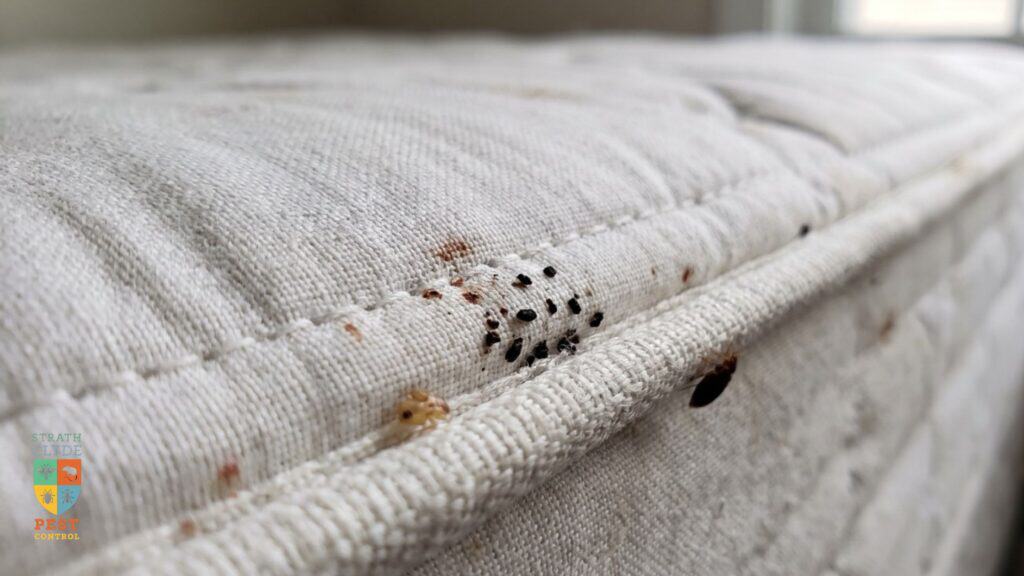
Blood spots on the bed sheets are another giveaway — small rust coloured marks from a bug being crushed in the night, or from a bite that bled slightly. Fecal spots look like tiny ink dots, usually along mattress seams or the bed frame. Shed skins are worth checking for too, translucent little casings left behind as they grow. And if a bedroom has a sweet, musty smell that has no obvious source, that is often a sign of a more established infestation.
What to Do If You Find Them
Bed bugs are not going anywhere on their own, and the longer it goes, the bigger the job gets — so it is worth acting fairly promptly once you are sure of what you are dealing with.
Start with the washing machine — everything from the affected room, bedding, clothing, soft furnishings, run through hot cycles at whatever temperature the labels allow. Heat genuinely works, anything over about 50°C for a couple of minutes will kill them at any life stage. Steam cleaning the mattress and frame handles what cannot go through the wash.
Give the mattress a thorough go with the vacuum cleaner, get into the seams properly, and do the same to the bed frame, headboard and the floor around the bed. Wear disposable gloves if you are handling anything you suspect is infested, and empty the vacuum outside straight after rather than leaving the bag sitting in the machine.
Be a bit wary of shop-bought sprays and general pesticide use. A lot of bed bug populations in the UK have built up resistance to the chemicals in most over the counter products, so results are often disappointing. If a DIY effort has not sorted things within a couple of weeks, that is usually the point to bring in a pest professional.
What Happens When You Call in a Professional
This is where a proper treatment looks quite different to what most people expect. When a pest control company comes out to deal with bed bugs, the first step is always a full inspection — not just the bed, but the whole room and often the rooms next door too. Bed bugs can spread into plug sockets, skirting boards, behind wallpaper, inside night tables, anywhere with a gap. Missing even one of these spots is the most common reason DIY treatment fails and the infestation comes back a few weeks later.
A long-lasting residual insecticide is generally what we would recommend for an established infestation. It’s applied directly to the areas bed bugs travel through and hide in, and keeps working for weeks after application — killing bed bugs that come into contact with it long after the initial visit, including any that hatch from eggs missed on the first treatment.
We will also give you honest guidance on what needs to happen either side of treatment — how to wash and bag bedding and clothing correctly, what to do with furniture that cannot be treated, and how to avoid bringing anything back in that could restart the problem. If you are renting, we can also provide the kind of paperwork landlords or letting agents often ask for to confirm a property has been properly treated.
Keeping Bed Bugs Out
A mattress protector on every bed makes inspection straightforward and gives bed bugs far fewer places to hide. Check luggage properly after any trip away, leave it in the hall rather than the bedroom until you have gone through it. Take your time with second-hand furniture, particularly anything upholstered or a mattress, and give polished surfaces and joints a proper look before it comes into the house. Wash clothing on a hot wash after a longer journey or a stay somewhere shared.
If you think you might have bed bugs anywhere across East Kilbride, Glasgow or Lanarkshire, get in touch. We will take a proper look and tell you honestly what is going on and what needs doing. To learn more visit our bed bug control page.