
If your pet has been scratching more than usual, or you have noticed a few small bites around your own ankles that were not there last week, there is a chance you may have a flea infestation at home. August tends to be when we see the sharpest rise in flea calls across our service area of Glasgow and East Kilbride, and there is a straightforward reason for it…
Why Fleas Peak in August
Fleas do not ask for much really — warmth, a bit of humidity, and late summer in Scotland tends to hand them both. Add in pets being out in the garden more, picking things up on walks, then trotting straight back through the front door, and you have got the perfect recipe for a home flea infestation to take hold.
Here is the thing most people do not realise — the fleas you can see on your pet are only a small fraction of the actual problem. Something like 95% of an infestation is not on the animal at all. It is in your carpets, your floorboards, the sofa, the pet’s bedding. Deal with the pet and ignore the house, and you have really only solved 5% of the problem. That is usually why you might have found yourself treating the same flea problem two or three times over a summer.
Understanding the Flea Life Cycle
It helps to know roughly how fleas develop through their life stages, because it explains why they are such a pain to shift completely. There are four stages — egg, larva, pupa, adult — and each one behaves differently.
Eggs do not stay put on the pet. They fall off wherever the animal goes, scattered across carpets, the sofa, pet bedding, anywhere it has walked or lain down. Those hatch into larvae, which feed on debris in the carpet fibres, including flea dirt — essentially digested blood left behind by adult fleas, now there is something to put you off your sandwich! Give it time and the larva spins a cocoon, becoming a pupa. This stage is where most of the real trouble starts.
Sprays barely touch a pupa. Hoovering does not shift it much either. It can sit there dormant for weeks, sometimes months, waiting on the right trigger — vibration, warmth, or carbon dioxide from something breathing nearby is usually enough to set it off. It is exactly why an empty house can suddenly have a flea problem the moment someone moves in, and why a treatment that looked like it worked can appear to fail a few weeks later once a fresh round of pupae hatches out.
Signs You Have a Flea Infestation
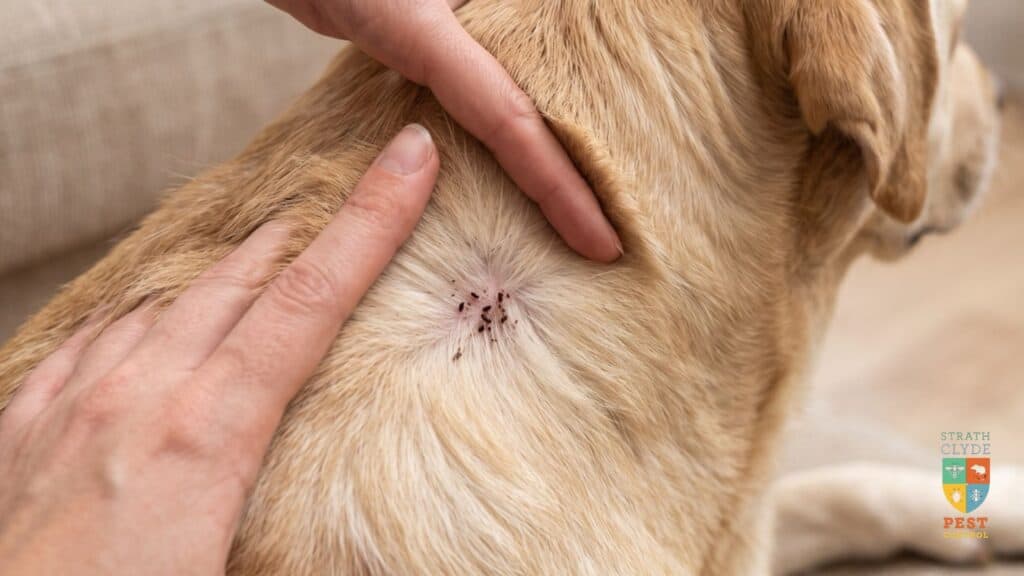
If your pet starts to have excessive scratching, biting at the fur, more grooming than usual — that is usually the first sign. Have a look through the fur, especially around the tail base and belly, for small dark specks. That is flea dirt. A quick way to check is to pop some on a damp bit of kitchen roll — if it turns reddish brown, it is digested blood, not just dirt.
For people, bites tend to show up around the ankles and lower legs. Small, itchy, often a few close together. Some people react quite strongly and develop flea allergy dermatitis, which brings more swelling and itching that lasts longer than a typical bite.
It is also worth knowing that most fleas found on cats and dogs in the UK are actually cat fleas regardless of which pet they are on — Oriental rat fleas and other species are far less common here but can occasionally carry tick-borne diseases like Murine typhus, which is another reason not to let an infestation drag on longer than it needs to.
If you are seeing fleas actually jumping across the carpet, or the scratching has become a daily thing despite regular grooming, the infestation has almost certainly moved well beyond just the pet by that point.
Treating Your Pet
Have a chat with your veterinary surgeon about what is right for your particular pet — species, weight and health all play into which treatment makes sense. Spot-on flea treatments, flea collars and oral preventives are the usual options, and a lot of them now include an Insect Growth Regulator, which stops eggs and larvae developing further rather than just killing adult fleas. The RSPCA has some great info on flea control for your pets here
One thing worth knowing: a single dose sorts out the fleas that are there right now but does nothing for the eggs and pupae already sitting in the carpet. That is why ongoing prevention on the pet, alongside proper treatment of the house, is what actually gets on top of it long term.
Treating Your Flea Infestation At Home
Vacuuming properly and often is genuinely one of the better things you can do here. It pulls eggs and larvae straight out of the carpet, and the vibration itself can force dormant pupae to hatch earlier than they otherwise would — which sounds like it works against you but actually leaves them exposed to whatever treatment comes next. Focus on where the pet spends most time — under furniture, along skirting boards, anywhere the carpet meets a wall.
Beyond vacuuming, steam cleaning carpets and soft furnishings is another option that deals with eggs and larvae through heat rather than chemicals. The freezer method is also effective for smaller items which cannot go through the washing machine
Wash pet bedding on a hot cycle, and anything else your pet lies on regularly. Hot soapy water kills both fleas and eggs on anything washable. For carpets and furniture that cannot go in the machine, a household flea spray made for indoor use will cover what vacuuming misses, ideally one with an Insect Growth Regulator for a longer lasting effect.
Because pupae are so hardy, one round of treatment is often not enough on its own. Most proper treatment plans involve a follow-up a few weeks later, specifically to catch anything that has hatched since the first go.
When to Call a Professional
If you have treated the pet properly with a vet-recommended spot-on flea treatment, vacuumed and cleaned thoroughly, and fleas are still turning up weeks later, or the problem has spread across more than one room, it is worth getting someone in. This comes up a lot with properties that have sat empty for a while too — estate agents and landlords regularly deal with flea problems in houses nobody has lived in for months, where dormant pupae simply wait for the first new occupant to trigger a fresh hatch.
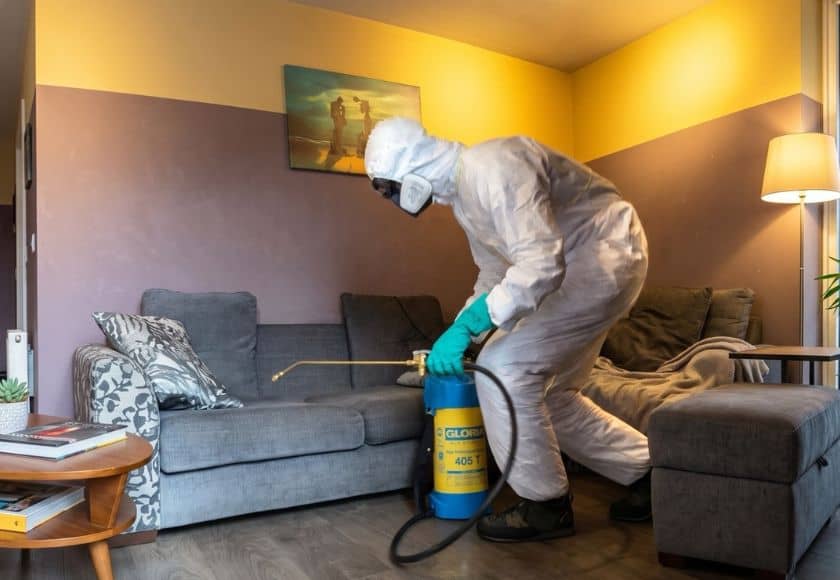
A pest control treatment reaches areas that vacuuming and household sprays often miss, and gives a longer lasting result than repeated DIY attempts. If you are dealing with a flea infestation across East Kilbride, Glasgow or Lanarkshire, get in touch with our flea control team and we will take a proper look.